
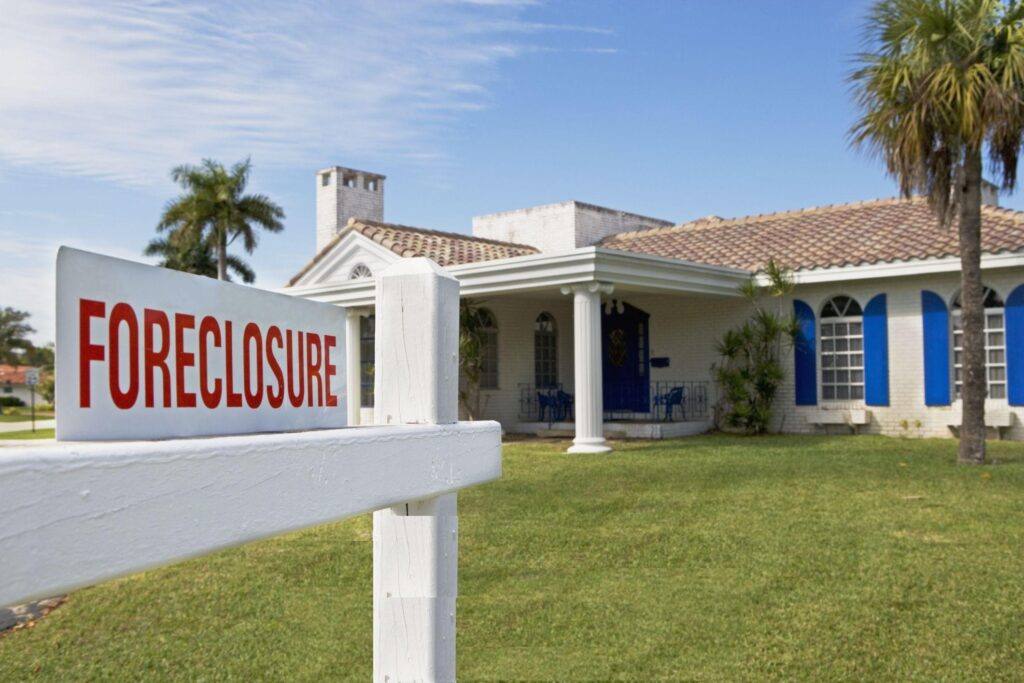
Facing foreclosure of your mortgage and possibly being forced from your home is daunting under any circumstances. For borrowers age 62 or older, it can seem hopeless, particularly if you are living on a fixed income and cannot find more affordable housing.
For some, getting a reverse mortgage could provide the solution borrowers need to stay in their home and pay off their existing mortgage. But is it the right choice? There are many factors to consider in determining whether getting a reverse mortgage to stop a foreclosure will work for your situation. In many cases, it’s not the best option.
Traditional vs. Reverse Mortgages
It’s important to know how a reverse mortgage works before applying for one. With a traditional “forward” mortgage, you borrow money to buy your home. You then repay that money over the loan term–usually 15 to 30 years–in monthly installments. As you make your monthly payments, you pay down the loan balance and increase the amount of equity you own in the home.
With a reverse mortgage, you borrow money against your home, meaning your home guarantees the loan. If you fail to pay back the loan, you forfeit your home. You can use the proceeds of the reverse mortgage to pay off your existing mortgage. Any remaining proceeds are yours to use as needed. Over time, the loan balance on the reverse mortgage increases and the amount of equity you own decreases. A reverse mortgage is repaid at the time you no longer live in the home—by selling the home, moving out, or dying.